
Why Does My Car Smell Musty? Damp, Mould and Odours in Brisbane
By the Auto Kings Brisbane team · Published · 7 min read
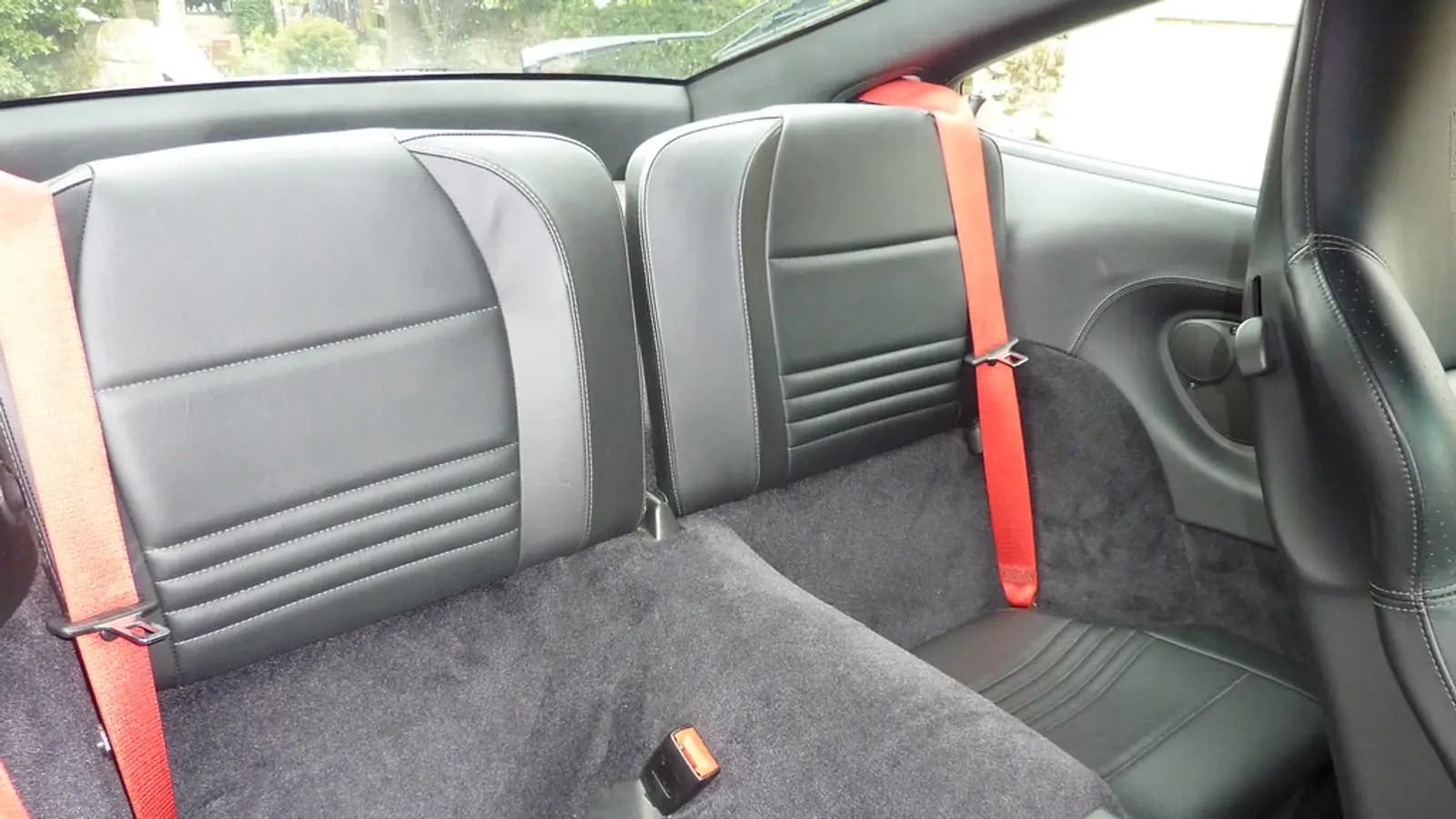
A musty smell in your car almost always means moisture is trapped somewhere inside: the carpet, the underlay beneath it, the seats, the cabin filter or a slow leak. Drying and cleaning that source matters far more than any air freshener.
The Queensland Government's advice on mould says that if you can't see mould, you might be able to detect a musty, unpleasant odour instead. In a closed car on a humid Brisbane afternoon, that odour is hard to miss. Masking it rarely works for long, which is why a proper odour removal treatment goes after the source.
Where is the smell coming from?
A car cabin is a small, sealed space full of soft, absorbent materials. When moisture gets in and can't get out, those materials hold onto it, and that is when the stale, damp smell starts. The usual places it hides:
- Carpet and underlay. The top of the carpet can feel dry while the padding underneath stays wet. Rain off shoes, a wet umbrella on the floor or a window left open in a storm can all soak in.
- Floor mats. Rubber mats catch water and hold it against the carpet. Carpet mats soak it up and stay damp.
- Seats. Cloth upholstery and the foam underneath absorb spills, damp clothes and wet swimmers.
- The air-conditioning system and cabin filter. If the smell is strongest when you first switch the fan on, the air-con is a likely suspect. The Queensland Government's mould page notes that air conditioning and ventilation units are a good environment for mould and other bacteria to grow.
- A leak. Worn door or boot seals, blocked sunroof drains or a damaged windscreen seal can let rain in every time it pours, often somewhere you won't see it.
- The boot. Wet gear, beach towels and a spare wheel well that collects water are easy to forget about.
If the smell gets worse after heavy rain, a leak is the first thing to rule out. Storm season is when hidden leaks tend to show up, so our storm season car care tips are worth a look too.
What quick checks can you do yourself?
Before you spend anything, spend a few minutes looking. Most of these need nothing more than a torch and a dry hand.
- Pull out the floor mats. Check both sides. Hang them somewhere sunny and airy to dry fully before they go back in.
- Press on the carpet under the mats. Push down firmly with a dry hand, especially in the front footwells and behind the front seats. If it feels cold, damp or squelchy, the underlay is holding water.
- Look at the door and boot seals. Run your eye and fingers around the rubber. Look for cracks, gaps, flattened sections or water marks on the trim just inside.
- Check the sunroof drains, if you have one. Sunroofs have drain channels that carry water away. If they block with leaves and dirt, water can overflow into the headlining or down the pillars. Damp patches on the roof lining or a wet front footwell are clues.
- Check the cabin filter. Your owner's manual will tell you where it sits and how often the manufacturer recommends replacing it. A filter that is damp, dirty or past its replacement point is worth swapping.
- Air the car out. On a dry, sunny day, park in the sun with the windows down and let air move through the cabin.
The Queensland Government's advice puts it plainly: reducing the amount of moisture is the best way to control mould growth. If you find a leak, get it fixed first. Cleaning a carpet that will be soaked again in the next storm only buys you a short break.
Is it mould, and when should you stop the DIY?
Sometimes the smell comes with something you can see: grey, white, green or black spots on seat fabric, seatbelts, carpet or the boot lining. Other times there is nothing visible and the smell is the only sign.
The Queensland Government's mould guidance states that breathing in, eating, drinking or touching mould can cause health problems, especially for people with asthma, sensitivities or allergies. It also makes a few practical points that apply inside a car as much as in a house:
- Abrasively cleaning mould from a surface, such as with a dry brush, is not recommended, because it can release spores into the air and spread mould to other areas.
- Mixing cleaning agents is not recommended. For example, mixing bleach and ammonia can produce toxic fumes.
- If you have a lot of mould to clean or have allergies, it recommends an N95/P2 disposable respirator, because standard dust masks do not protect you from microscopic spores.
It is reasonable to stop and get help if the mould covers more than a small patch, if it keeps coming back after you clean it, if the carpet underlay is wet through, or if anyone who uses the car has asthma or allergies. A car can't be aired out like a room, and the soft materials inside hold onto both moisture and smell.
What about wet dog, spilt milk and other culprits?
Not every bad smell is mould. A few other common sources can produce a sour, stale or musty smell of their own, or make a damp one worse:
- Wet dog. A dog that comes back from the beach or a swim brings moisture, sand and hair into the car. If the smell is wet dog, the hair is usually part of the problem, and pet hair removal gets it out of the carpet fibres.
- Spilt milk. Milk soaks into carpet and seat foam and sours as it sits. Wiping the surface often leaves plenty behind underneath.
- Food and drink. Crumbs, chips and dropped fruit under the seats or down the sides of the console break down over time, especially in the heat.
- Gym gear, wet towels and swimmers. Damp fabric left in a closed car is an easy way to start a musty smell.
- Smoke. Smoke residue settles into the headlining, seats and vents, and it lingers.
The fix is the same idea every time: find what is holding the smell, remove it, then dry and clean the area. An air freshener on its own only layers a new smell over the old one.
How do we treat a musty car?
Our odour removal service is built around treating the source rather than covering it up. Here is what it involves, as set out on our service pages:
- Finding the source. We start with an inspection to find the true source of the smell.
- A deep clean of the affected areas. Carpets, seats and surfaces are cleaned properly. Steam cleaning the carpets and seats during an interior detail lifts the residue that holds the smell.
- A neutralising treatment. We then use a neutralising treatment that breaks down the odour molecules themselves, with targeted care for smoke, pet, food or mould odours.
- Air-con vent and cabin treatment. The air-con vents and cabin are treated too, because the air-con is one of the places a smell can hide.
- A neutral finish. The goal is a fresh, neutral cabin, not a heavy perfume sitting on top of the problem.
After steam cleaning, seats and carpets may feel slightly damp, but we extract as much moisture as possible, and in Brisbane's climate they usually dry within a few hours, quicker with the windows down or in the sun. Stubborn odours like heavy smoke or mould can occasionally need a second treatment, and we'll always discuss that with you first.
Odour removal is available as an add-on, and odour elimination is also part of our Showroom Detail. If we find the smell is coming from a leak, that leak still needs repairing, or the damp will return.
The short version
A musty car is a damp car. Find where the moisture is getting in or sitting, dry it out, clean the materials that have soaked it up, and only then worry about how the cabin smells. Most of the checks above take a few minutes and cost nothing. If you'd rather leave it to us, browse our mobile detailing services and book a time online. We'll come to your home or workplace and get the cabin smelling clean again, not just scented.
Sources
Related services
Keep reading
Detailing Your Car Before You Sell: A Brisbane Pre-Sale Checklist
Everything to clean, fix and have ready before buyers see your car, plus the Queensland paperwork.
Is Mobile Car Detailing Worth It? An Honest Brisbane Guide
The honest breakdown of cost, convenience, trust and quality, so you can decide if a mobile detail is actually worth it for your car.
Storm Season Car Care in Brisbane: Before and After the Weather Hits
Where to park when a storm is coming, and how to clean up the leaves, sap and water it leaves behind.