
Storm Season Car Care in Brisbane: Before and After the Weather Hits
By the Auto Kings Brisbane team · Published · 6 min read
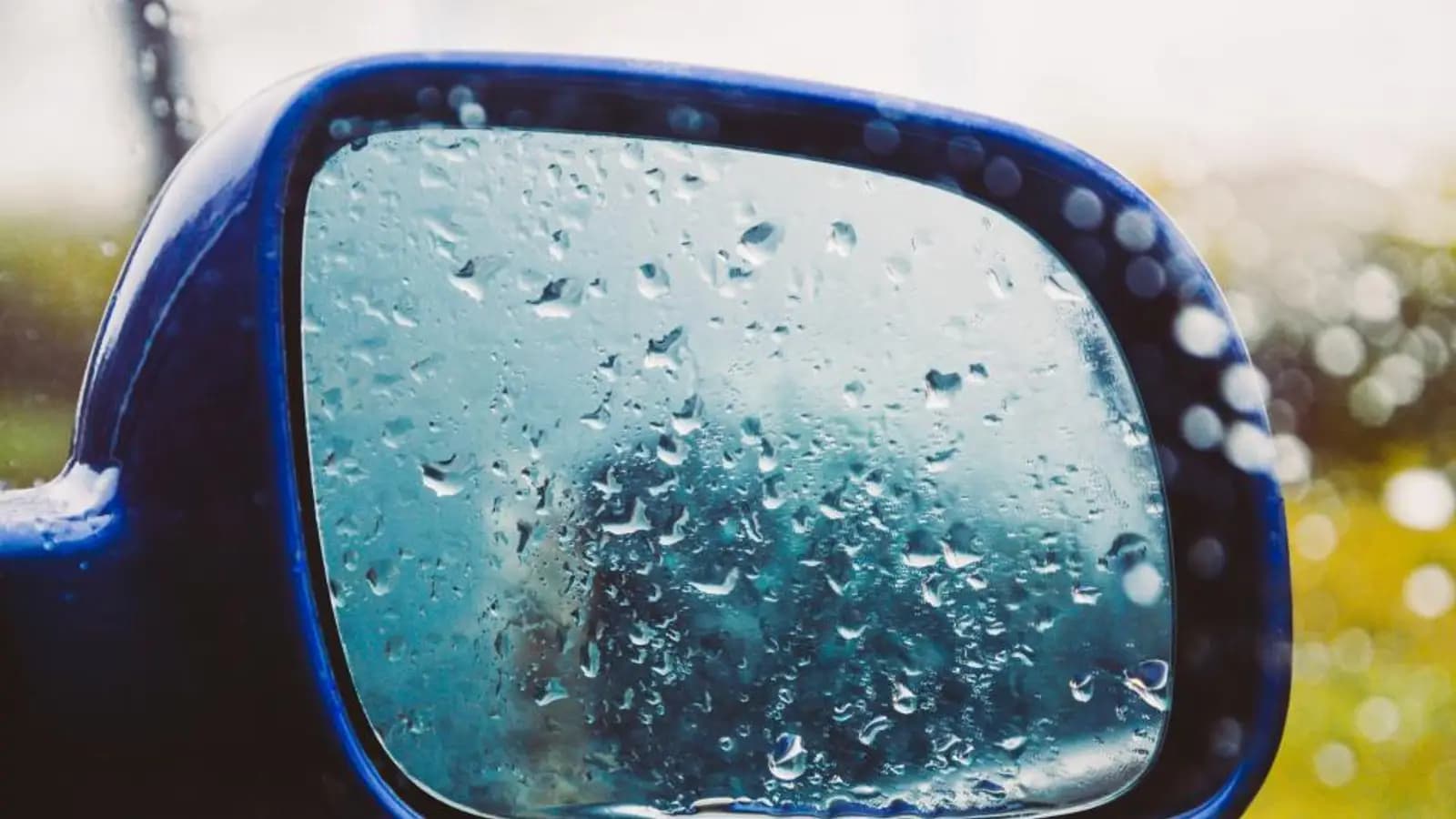
The short version: park under cover as soon as a severe storm warning is issued, clear leaves, sap and water spots off the paint quickly once the weather passes, and dry any leaks or wet carpet before the cabin turns musty. Most storm damage you can't avoid. Most of the slow damage afterwards you can.
Brisbane storms arrive fast and leave a mess behind. Storms can do substantial damage to homes and vehicles through heavy winds and large hail, as Get Ready Queensland's guide to storm risk explains. Even a storm that misses your car with hail can still cover it in leaves, twigs, mud and grit. Once the weather clears, a careful exterior detail removes the grit and residue before it bakes on. Here's what to do before the weather hits and after it passes.
Before a storm: where should you park and what should you cover?
Storm season is the time to keep an eye on the current Bureau of Meteorology warnings and alerts, so you know when a severe storm is heading your way rather than finding out when it hits.
Get Ready Queensland's storm preparation advice is to park vehicles under cover, away from trees, powerlines and creeks, and to cover them with firmly tied-down blankets to reduce hail damage. It also says that when a severe storm warning is issued, that is your cue to get everyone and everything inside immediately, and that if you're driving, you shouldn't try to beat the storm home.
In practice, that looks like this:
- Use the best cover you have. A garage is ideal, then a carport, then an undercover car park at work or the shops.
- Move away from trees. Falling branches are the obvious risk, but trees also drop leaves, seed pods and sap all over the paint in high wind.
- Close everything properly. Check windows, the sunroof and the boot are fully shut. A window left open a crack is one of the easiest ways for rain to get inside.
- Tie down any covering. Blankets or a cover that can flap around in the wind can rub at the paint, so secure them firmly.
Hail damage: what can a detailer fix, and what can't they?
It's worth being clear about this, because it saves a lot of confusion after a big storm.
A detailer can't fix dents. Hail dents, cracked windscreens and broken lights are a job for your insurer and a panel beater or paintless dent repair specialist. If your car has been hit, talk to your insurer first about how they want the claim handled before you book any repair work. Auto Kings Brisbane does not do dent repair.
What a detailer can do is look after the paint itself:
- Wash off the leaves, grit and grime the storm left behind, safely and by hand.
- Remove bonded contaminants with a clay bar and iron fallout removal, which washing alone leaves behind.
- Machine polish to bring back gloss, then add a wax or sealant for protection.
If hail has chipped or cracked the paint, that needs proper repair before any polishing. A clean car also makes every dent easier to see when you, or whoever assesses the damage, walk around it.
After the storm: how do you deal with leaves, sap, mud and water spots?
Once it's safe to go outside, the aim is to get the debris off before it does any harm. A few things to keep in mind:
- Leaves and twigs. Lift them off by hand or rinse them away. Don't wipe them across the paint. Check the area at the base of the windscreen, the door jambs and around the wipers, where leaves tend to collect and hold moisture.
- Mud and grit. Rinse thoroughly first to float the dirt off before you touch the surface. Wiping a dry, dirty panel grinds grit into the paint and is a common cause of swirl marks.
- Tree sap. Sap hardens and bonds to the clear coat, and left there it can cause etching and discolouration. A dedicated sap remover is the safe way to lift it.
- Bird droppings. Don't scrub a dry dropping. Soften it with a soaked microfibre cloth first, then gently lift it away.
- Water spots. Rain and puddle splash leave minerals behind as they dry into rings, and given time and heat those minerals can etch in too. Washing and drying the car with a clean microfibre towel stops them setting.
If water spots or sap are left too long they can etch the clear coat, and machine polishing may then be needed to remove the marks. Speed matters more than perfection here: a gentle rinse soon after the storm beats a thorough wash a fortnight later.
For the year-round routine, see how to protect your car's paint in the Brisbane sun.
Water inside the car: why does it matter?
Rain that gets inside the car is easy to ignore, because the carpet looks fine on top. Underneath, the padding can hold moisture long after the surface feels dry. Damp carpet left closed up in our humidity is the usual start of a musty smell in your car.
If you find water inside after a storm:
- Find the source. A window or sunroof left open is the simple answer. If everything was shut, a door seal or a blocked drain may be letting water in, and that's worth having a mechanic check so it doesn't keep happening.
- Get the mats out. Lift out the floor mats and dry them separately, in the sun if you can.
- Soak up what you can. Press old towels firmly into the wet carpet to draw out as much moisture as possible, and check the boot and spare wheel well as well.
- Let air in. On a dry day, leave the doors or windows open so the cabin can air out properly rather than sitting sealed up.
If a musty smell has already set in, that smell is usually mould or trapped moisture, which thrives in Brisbane's humidity. Our interior detailing includes a steam clean of seats and carpets and an odour neutralising treatment, and our odour removal service goes after the source of the smell rather than masking it with fragrance.
One important exception: if the car has sat in floodwater, that's a matter for your insurer and a mechanic before anything else, not a detail.
What if it rains on the day of my booking?
We monitor the weather closely and will contact you to reschedule if conditions aren't suitable. There's no charge for weather-related reschedules.
Ready for the clean-up?
Storm season car care comes down to three habits: get the car under cover when a warning is issued, clear the debris and water off quickly afterwards, and dry out the cabin before damp turns into a smell. Leave dents to your insurer and a repair specialist, and leave the paint, the grit and the cabin to a careful detail. We come to homes and workplaces across the suburbs we cover, so once the skies clear, your car can be looked after right where it's parked.
Sources
Related services
Keep reading
Is Engine Bay Cleaning Safe? What a Careful Detail Involves
The risk is high-pressure water near the electricals, not the clean itself, so here's what a careful engine bay detail involves.

Why Do Headlights Go Yellow? A Queensland Driver's Guide
What the sun does to your headlight lenses, why it matters at night, and how to get them clear again.
How to Protect Your Car's Paint in the Brisbane Sun
Our subtropical sun, bird droppings and tree sap age paint fast. Here's how to protect your car's paintwork and keep it looking new.