
Is Engine Bay Cleaning Safe? What a Careful Detail Involves
By the Auto Kings Brisbane team · Published · 5 min read
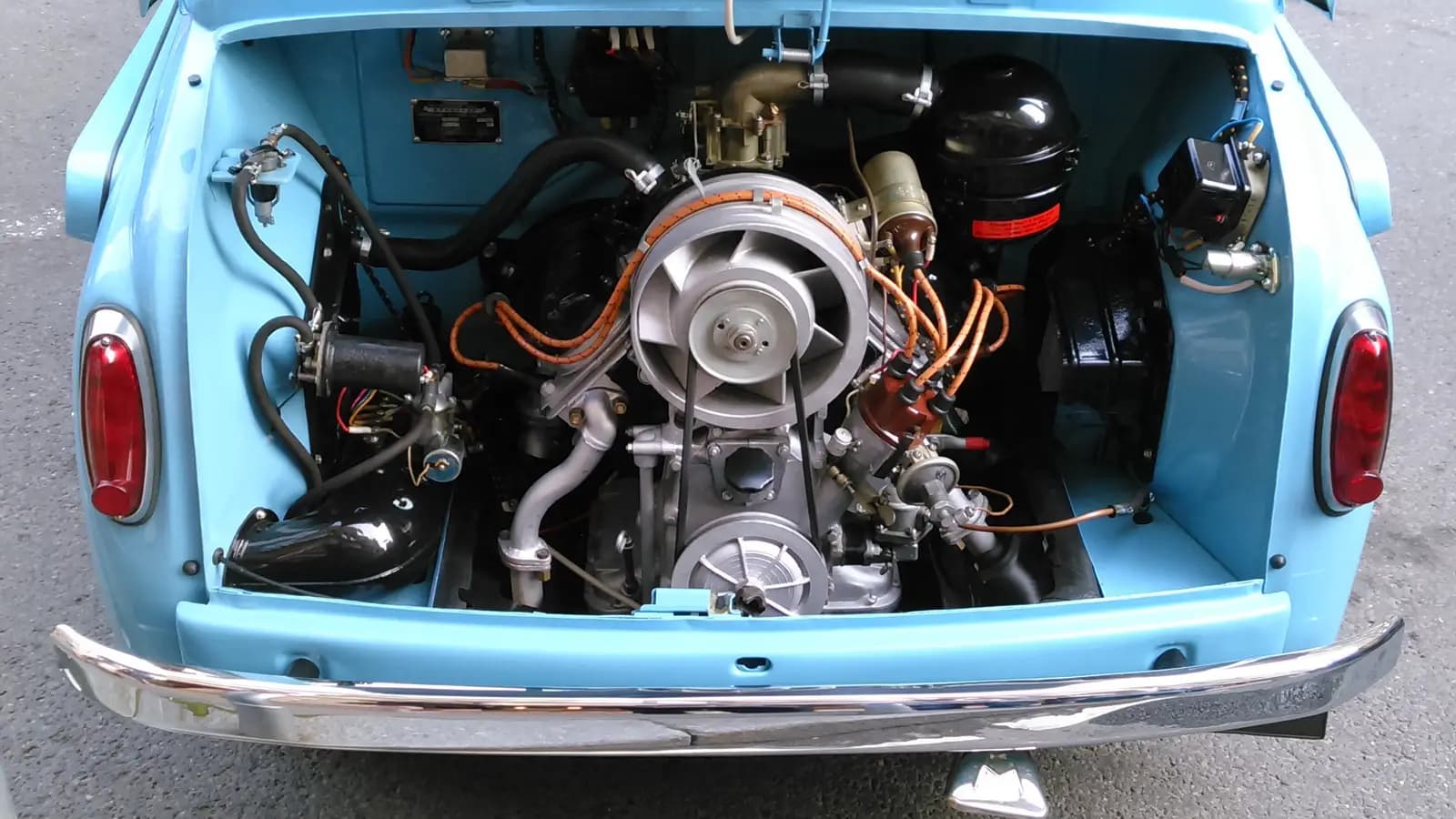
Yes, engine bay cleaning is safe when it's done with low pressure, a gentle degreaser and the sensitive electricals protected. The risk isn't cleaning the bay itself. It's blasting high-pressure water at sensors, connectors and electrical parts that were never meant to take a direct jet.
Under the bonnet there's a mix of metal, plastic, rubber and wiring, and each needs a slightly different touch. A careful clean treats the bay as a delicate area, not a muddy wheel arch. That's exactly how we approach engine bay detailing at your place.
What can go wrong with a DIY hose-down?
Most of the risk in cleaning an engine bay comes from a handful of common habits, not from the idea of cleaning it at all.
- High-pressure water near electricals. A modern engine bay is full of sensors, plugs and wiring connectors. They're built to cope with rain and road spray, but a concentrated jet at close range is a different thing. It can push water into connectors and electrical parts that were never meant to take a direct jet.
- Water in the air intake. Spraying around the airbox or intake risks getting water into the part of the engine that breathes in air.
- Cleaning a hot engine. Cleaner sprayed onto hot metal dries too quickly, which can leave streaks and residue baked onto surfaces. A cool engine is the safer starting point.
- Harsh chemicals left to dwell. An aggressive degreaser left sitting too long can mark painted surfaces and dry out plastic and rubber, leaving covers and hoses looking grey or blotchy.
- Skipping the drying. Water left pooled in recesses and around connectors is exactly what you were trying to avoid in the first place.
None of this means you should never clean under the bonnet. It means the method matters more than the product. If you do it yourself, start with a cool engine, cover anything electrical, use a gentle spray rather than a jet, dry as you go, and check your owner's manual for any advice specific to your vehicle.
How do we do it safely?
Our engine bay detail is built around keeping the vulnerable parts protected and keeping the whole process gentle. These are the steps:
- Sensitive electricals covered and protected. Before anything gets wet, the parts that shouldn't be soaked are covered.
- A gentle degrease, with no harsh blasting. The degreaser does the work of loosening built-up grime, so there's no need to strip it off with force.
- A careful low-pressure rinse. Low pressure carries the loosened grime away without driving water into places it shouldn't go.
- A wipe-down of covers, hoses and painted surfaces. Hand finishing reaches the areas a rinse alone won't fully clean.
- Plastic and rubber dressing. A dressing gives covers and hoses a fresh, even finish instead of a faded one.
That's the difference between a careful detail and a quick hose-down: no high-pressure water near sensitive electronics, so you get the look without the risk.
Because we're mobile, the whole job happens at your home or workplace anywhere in Brisbane. You can book an engine bay detail as an add-on, and an engine bay clean is included in our Full Detail. It's also part of our Showroom Detail, alongside paint correction.
Why does a clean bay help you spot problems?
A grimy engine bay hides things. When every surface carries the same layer of dust and old grime, it's hard to tell something new from something that's been there for years. A clean bay makes leaks and worn components far easier to spot.
That helps you, and it helps any mechanic who looks at the car. Oil leaks and perishing hoses are easier to pick up early when the surfaces around them are clean, because a fresh drip or a cracked hose stands out instead of blending into the background.
Keep in mind that a detail is a clean, not a mechanical inspection. If something looks off once the bay is clean, that's one for your mechanic to check.
Is it worth it before selling or a roadworthy?
Getting a car ready to sell is a common reason to book an engine bay detail. Most people never look under the bonnet until they're selling, and that's exactly when a grimy, dusty bay works against you. A clean bay signals a car that's been looked after, and it looks its best for photos and for buyers who pop the bonnet.
It's one of the items on our pre-sale detailing checklist. Cloudy lenses are the other quick fix buyers notice, and we explain why headlights go yellow separately.
What about the roadworthy?
In Queensland, what most people call a roadworthy is a safety certificate. The Queensland Government safety certificate page says one is needed when transferring registration to a new owner, and that you must still obtain one before disposing of a registered vehicle, other than to a dealer.
The same page says the inspection covers basic safety standards for components including tyres, brakes, steering, suspension, body rust or damage, windscreen and lights, and that it is not a comprehensive mechanical inspection. A clean engine bay isn't on that list, so don't book a detail expecting it to get a car through. Its value is presentation, and making it easier for you, a buyer or a mechanic to see what's really going on under the bonnet.
So, should you clean your engine bay?
If the bay is dusty or oily, yes, as long as it's done gently: a cool engine, electricals covered, low pressure, then a proper wipe-down and dressing to finish. The thing to avoid is a pressure washer aimed straight at sensors and connectors.
When you want it done for you, have a look at our mobile detailing services. We'll leave the bay clean, dressed and easy to check, right where you parked the car.
Sources
Related services
Keep reading

Storm Season Car Care in Brisbane: Before and After the Weather Hits
Where to park when a storm is coming, and how to clean up the leaves, sap and water it leaves behind.

Why Do Headlights Go Yellow? A Queensland Driver's Guide
What the sun does to your headlight lenses, why it matters at night, and how to get them clear again.

How to Protect Your Car's Paint in the Brisbane Sun
Our subtropical sun, bird droppings and tree sap age paint fast. Here's how to protect your car's paintwork and keep it looking new.