Why Do Headlights Go Yellow? A Queensland Driver's Guide
By the Auto Kings Brisbane team · Published · 6 min read
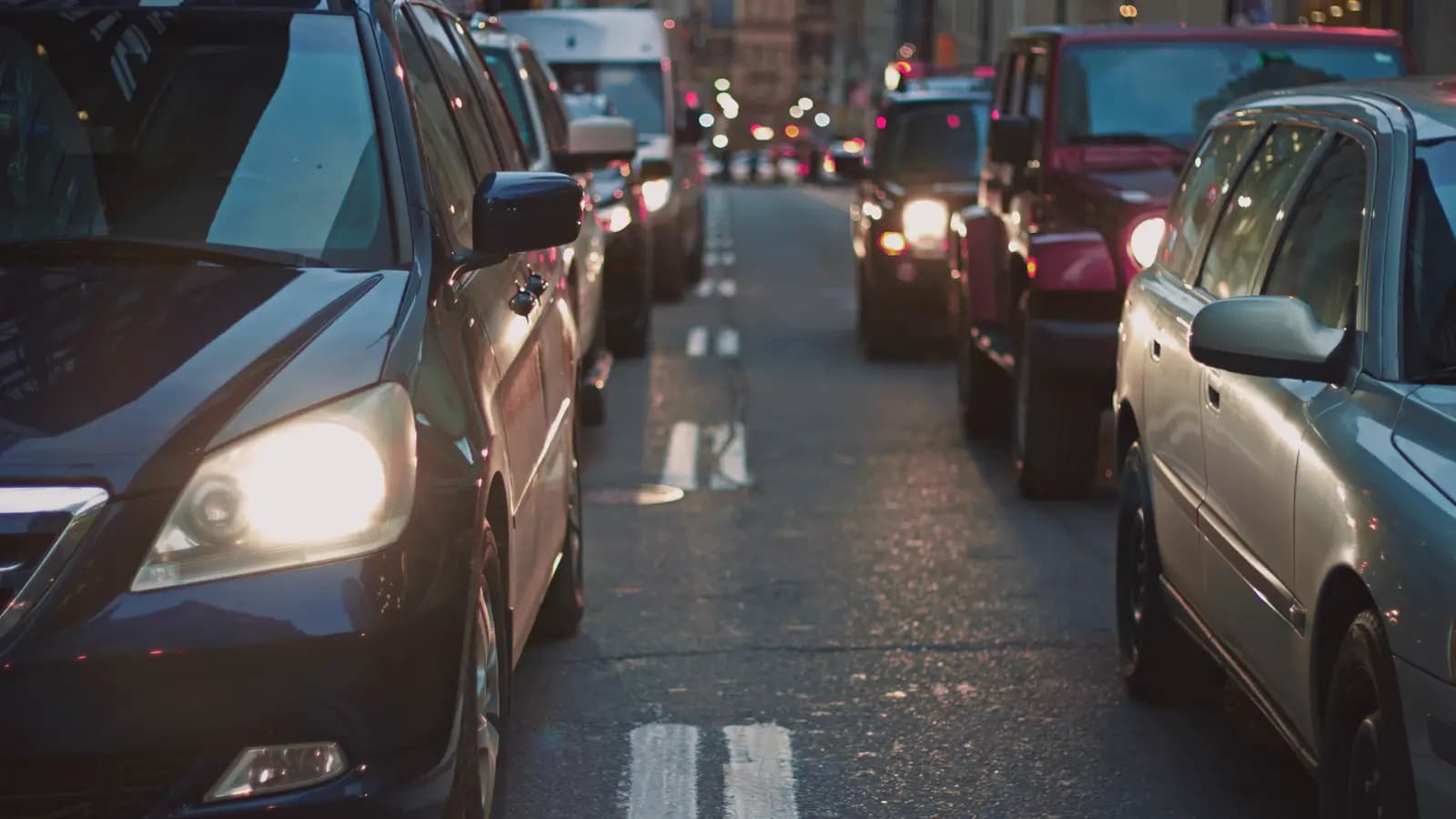
Headlights go yellow because of the sun. Sunlight breaks down the protective coating on the plastic lens, causing that yellow, foggy look, and the intense Queensland UV keeps working on it every time the car sits outside.
The good news is that headlight restoration can often bring cloudy lenses back to clear. Below we cover what is actually happening to the lens, why it matters once the sun goes down, what home fixes can and can't do, and how to tell whether a headlight is worth restoring or due for replacement.
What actually turns them yellow?
A plastic headlight lens has a protective coating on its outer surface, and that coating is what takes the hit. Sunlight breaks it down, and once it's worn, the plastic underneath oxidises. The result is the familiar yellow tint and a hazy, foggy surface that light no longer passes through cleanly.
The yellowing sits in that outer, oxidised layer. That matters, because it's the layer a proper restoration removes.
Two everyday habits make a difference to how fast it happens:
- Where you park. A car that lives on the street or in an open driveway gets far more sun on its lenses than one kept in a garage or carport.
- How you clean. Abrasive brushes and harsh chemicals can scuff or strip the lens surface, leaving it with less protection against the sun.
It's the same UV that slowly oxidises your clear coat, so it's worth knowing how to protect your car's paint in the Brisbane sun as well. Paint and headlights age for the same reason; they just show it in different ways.
Does it matter for night driving?
Yes. That hazy layer isn't just an eyesore. A cloudy lens scatters your beam at night instead of throwing it cleanly down the road, and that can be the difference between spotting a hazard early or not at all.
It shows most on darker roads, where you're relying on your own headlights rather than streetlights. If the road ahead seems dimmer than it used to, the lenses are worth a close look in daylight.
There's a paperwork side too. The Queensland Government's safety certificate information lists lights among the components a safety certificate inspection covers, and notes that you must still obtain a safety certificate before disposing of a registered vehicle, other than to a dealer. Only an approved inspection station can issue one, so if you're unsure how your lights will be judged, that's the place to ask.
Toothpaste and DIY kits: what do they do and not do?
Search for a cloudy headlight fix and toothpaste comes up quickly. It works on the same idea as any polish: a mild abrasive rubs away some of the surface haze, so the lens can look clearer for a while.
What it doesn't do is replace the protective coating. Once the yellowed surface is rubbed off, the bare plastic underneath is left with nothing between it and the sun, so the haze has a head start on coming back. Toothpaste also struggles with heavier oxidation, because it simply isn't cutting deep enough to reach clear plastic.
Shop-bought restoration kits are a step up. They usually take the lens through sanding and polishing stages, and some include a protective coating to finish. They can give a good result if you're patient and careful, but there are a few common traps:
- Skipping the masking. Sandpaper that slips onto the bumper or guard can scuff the paint and trim around the light.
- Uneven sanding. Missed patches or stopping too early leaves a blotchy lens that looks worse in direct light.
- No protection at the end. A lens that is polished clear but left unsealed is back to square one with the sun.
The honest summary: a home fix can improve mild haze, but the finish only lasts as well as the protection you put back on afterwards.
Restore or replace?
Restoration works on the outside surface of the lens. If the yellowing and haze are on the outer face, and the lens itself is sound, restoring it is usually the sensible first step.
Our process follows the steps a careful home job should, with professional tools:
- Masking the surrounding paint and trim.
- Wet sanding to remove the yellowed, oxidised layer.
- Machine polishing to restore clarity.
- A UV-protective sealant to slow re-yellowing.
Both headlights are treated, so the pair matches. It's available as an add-on and is also included in our Showroom Detail.
Replacement is the better call when the problem isn't on the surface. Signs to look for:
- Cracks or chips that go into the lens rather than sitting on top of it.
- Moisture or fogging inside the headlight, which points to a seal problem that polishing the outside can't reach.
- Haze on the inner face of the lens, or a reflector behind it that has gone dull or peeled.
- Broken mounts or a housing that no longer sits firmly in place.
If you're getting a car ready for sale, the outside of the lens is usually the part a buyer notices. Clear lenses make a visible difference to how a car presents, and they're on our checklist for selling your car.
How do you keep them clear afterwards?
Once a lens is restored and sealed, the aim is simply to slow the sun down. None of this is complicated:
- Park in the shade where you can. A garage, carport or shady spot cuts the UV reaching the lenses.
- Wash regularly and gently. Use a soft mitt and a car shampoo rather than anything abrasive, and rinse grit off before you wipe.
- Skip the harsh chemicals. Strong solvents and degreasers can wear away the protection you've just paid for.
- Keep an eye on them. A slight dullness caught early is easier to deal with than a fully yellowed lens.
It also helps to know how strong the sun is on a given day. The Bureau of Meteorology's Queensland UV Index forecast reminds all Australians to look and listen for UV Index levels in local weather forecasts, and ARPANSA's live UV radiation index charts show readings from its detectors in cities around Australia, including what time the UV index will be at its highest. On those days, a shady park does your headlights, your paint and your interior a favour.
The bottom line
Yellow headlights are a slow sun problem, not a sign the car is falling apart. If the haze is on the outside and the lens is in one piece, a proper sand, polish and seal can usually bring it back, and good parking and gentle washing help keep it that way.
Want them sorted in your driveway? Browse the mobile detailing services we bring to you, and add headlight restoration to your booking so your lights look as sharp as the rest of the car.
Sources
Related services
Keep reading
Storm Season Car Care in Brisbane: Before and After the Weather Hits
Where to park when a storm is coming, and how to clean up the leaves, sap and water it leaves behind.
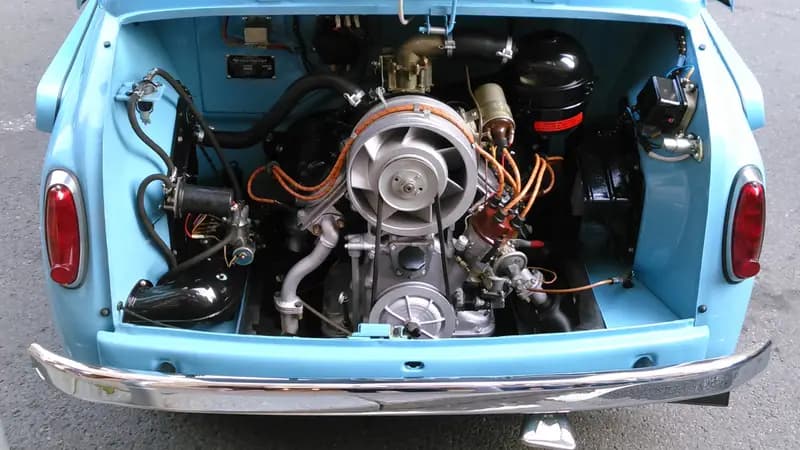
Is Engine Bay Cleaning Safe? What a Careful Detail Involves
The risk is high-pressure water near the electricals, not the clean itself, so here's what a careful engine bay detail involves.
How to Protect Your Car's Paint in the Brisbane Sun
Our subtropical sun, bird droppings and tree sap age paint fast. Here's how to protect your car's paintwork and keep it looking new.